Cart
0
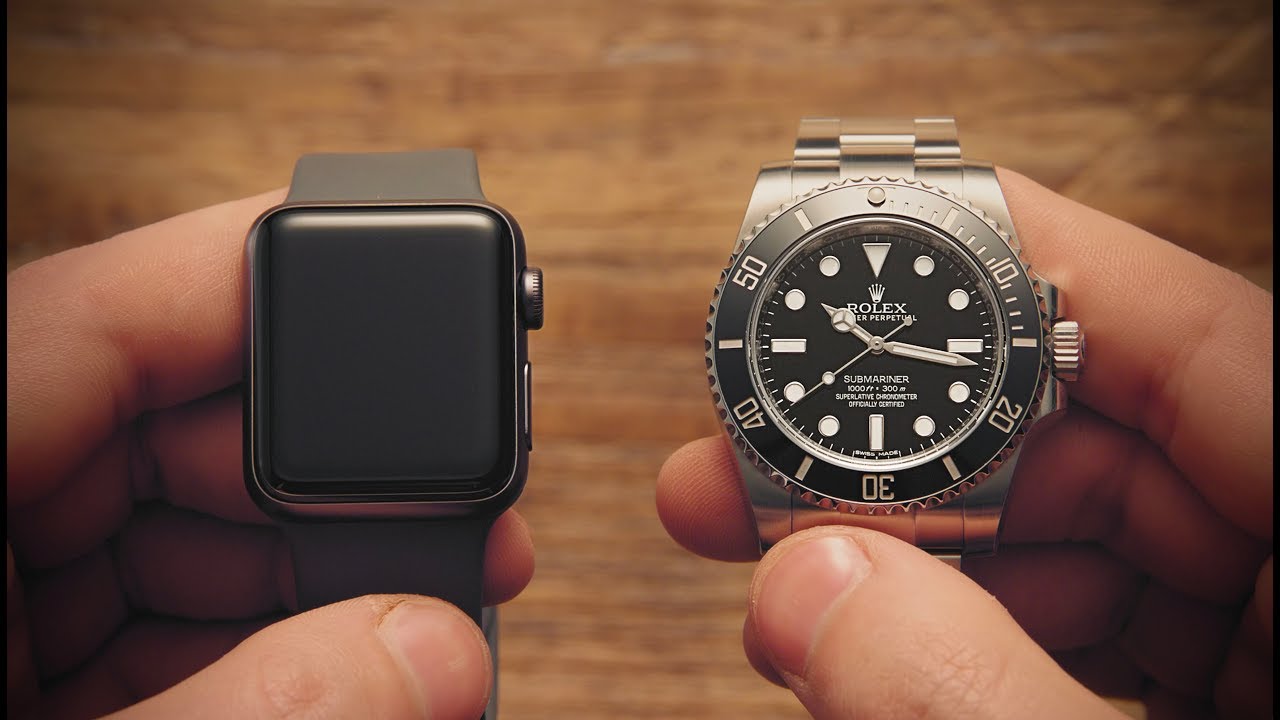
Wristwatches have come a long way from classic timepieces to advanced smart wearables. Today, many people face a common dilemma: Should you buy a smart watch or stick with a traditional watch? Both have unique benefits, and the right choice depends on your lifestyle, needs, and personal style. In this blog, we compare smart watches and traditional watches to help you decide which one is best for you.
What Is a Traditional Watch?
A traditional watch is a classic timepiece that focuses on telling time. These watches can be analog (with hands and a dial) or digital (with an LCD display), and are valued for their craftsmanship, elegance, and timeless appeal. Traditional watches can be simple and minimalistic or luxurious and intricate.
What Is a Smart Watch?
A smart watch is a wearable electronic device that connects to your smartphone and provides more than just timekeeping. It offers features like fitness tracking, notifications, health monitoring, GPS, apps, and more. Smart watches are designed to simplify your daily life and keep you connected on the go.
Key Differences Between Smart Watches and Traditional Watches
Here’s how these two types of watches stack up in the most important areas:
Functionality
Traditional Watch
-
Tells time (hours, minutes, sometimes date)
-
Some models include chronographs or basic timers
-
Focuses on style and timekeeping
Smart Watch
-
Shows time plus notifications from your phone
-
Tracks steps, heart rate, sleep, workouts
-
Supports music control, voice commands, apps
-
Can answer calls or messages (on some models)
Winner: Smart Watch (for functionality)
Health & Fitness Tracking
Traditional Watch:
-
No fitness tracking (unless hybrid models with limited sensors)
Smart Watch:
-
Activity tracking (steps, calories, distance)
-
Heart rate monitoring
-
Sleep analysis
-
Specialized sports modes
Winner: Smart Watch (for fitness and health)
Connectivity & Smart Features
Traditional Watch:
-
No Bluetooth
-
No notifications
-
No apps
Smart Watch:
-
Syncs with your smartphone
-
Shows notifications, reminders, calendar alerts
-
Allows music control and quick replies
Winner: Smart Watch (for connectivity)
Style & Aesthetics
Traditional Watch:
-
Classic, elegant, and timeless
-
Works with formal wear and luxury fashion
-
Can become an heirloom
Smart Watch:
-
Modern and techy look
-
Often customizable with different watch faces and straps
-
Style may change as technology evolves
Winner: Traditional Watch (for style & timeless appeal)
🔋 Battery Life
Traditional Watch:
-
Runs for years on a small battery
-
Mechanical watches don’t need batteries at all
Smart Watch:
-
Needs charging every 1–7 days (varies by model and usage)
Winner: Traditional Watch (for battery life)
Price & Value
Traditional Watch:
-
Can range from budget-friendly to luxury
-
High craftsmanship models add long-term value
-
Often seen as a fashion investment
Smart Watch:
-
Mid-range to premium pricing
-
Offers tech value but may become outdated
Winner: Depends on your priority (style vs tech)
🧭 Who Should Choose What?
Choose a Smart Watch if you:
✔ Want health tracking & fitness insights
✔ Like to stay connected without checking your phone
✔ Prefer modern tech features
✔ Use apps and notifications frequently
Choose a Traditional Watch if you:
✔ Love classic style and fashion
✔ Want a watch with long-lasting battery
✔ Prefer simplicity and elegance
✔ Like watches as collectibles or investments
Conclusion
Both smart watches and traditional watches have their strengths. The best choice depends on your lifestyle:
-
If you are into technology, fitness, and connectivity, a smart watch offers unmatched functionality.
-
If you value style, heritage, and timeless design, a traditional watch will never go out of fashion.
Ultimately, some people even choose to own both a smart watch for daily use and a traditional watch for special occasions. Whatever you choose, make sure it matches your needs, personality, and daily routine!