Cart
0
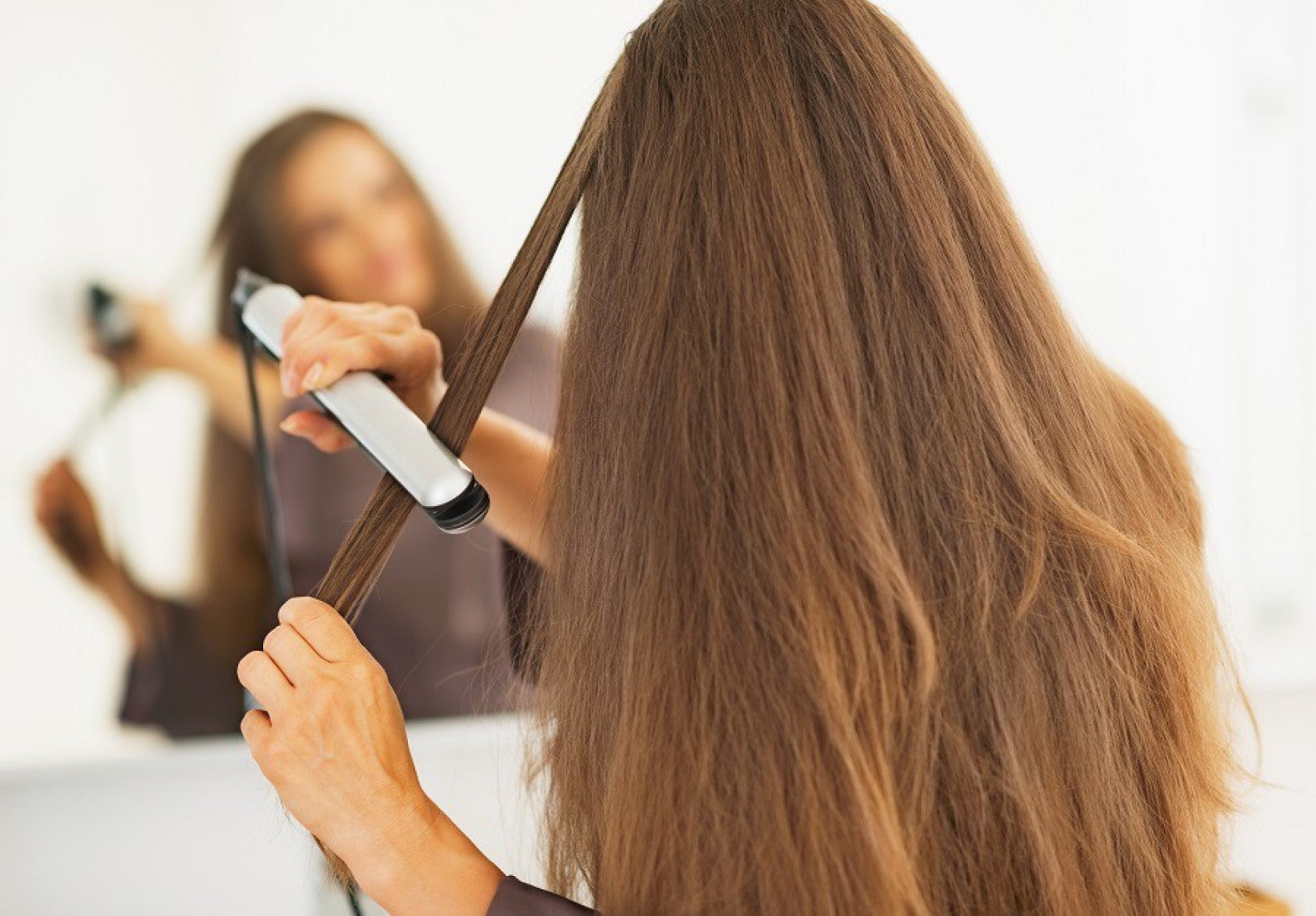
Straight hair looks sleek, polished, and timeless but frequent heat styling can lead to dryness, breakage, and split ends if not done correctly. The good news is that you can straighten your hair without damaging it by using the right tools, techniques, and care routine. This guide will walk you through safe and effective ways to achieve smooth, straight hair while keeping it healthy and strong.
Understand How Heat Affects Your Hair
Hair is made of protein (keratin), and excessive heat weakens this structure over time. High temperatures strip away moisture, making hair brittle and prone to breakage. The key to damage-free straightening is controlled heat, proper preparation, and after-care.
Start With Clean, Dry Hair
Never straighten wet or damp hair. Doing so can cause serious heat damage as water inside the hair shaft boils under high heat.
-
Wash your hair with a moisturizing or smoothing shampoo
-
Use a nourishing conditioner
-
Dry hair completely using a towel and then air-dry or blow-dry on low heat
Clean hair also ensures smoother straightening and longer-lasting results.
Always Use a Heat Protectant
A heat protectant is non-negotiable when straightening hair. It forms a protective barrier that reduces moisture loss and heat damage.
-
Choose a spray, serum, or cream based on your hair type
-
Apply evenly from mid-lengths to ends
-
Avoid overloading the roots
This single step can significantly reduce long-term damage.
Choose the Right Hair Straightening Tool
Using the correct straightener is just as important as the technique.
-
Ceramic plates: Best for fine or damaged hair due to even heat distribution
-
Titanium plates: Ideal for thick or coarse hair, but should be used carefully
-
Tourmaline technology: Helps reduce frizz and boost shine
A straightener with adjustable temperature settings gives you more control and protects your hair from unnecessary heat exposure.
Set the Correct Temperature
More heat does not mean better results. Use the lowest effective temperature for your hair type.
-
Fine or damaged hair: 120–160°C
-
Normal hair: 160–180°C
-
Thick or coarse hair: 180–200°C
Avoid temperatures above 200°C unless absolutely necessary.
Section Your Hair Properly
Straightening large chunks of hair forces you to repeat passes, increasing damage. Instead:
-
Divide hair into small, manageable sections
-
Work from the bottom layers upward
-
Use clips to keep sections neat
One slow pass per section is better than multiple quick passes.
Use the Correct Straightening Technique
-
Glide the straightener smoothly without stopping in one spot
-
Do not clamp too tightly
-
Keep the tool moving to prevent heat concentration
This helps achieve a smooth finish while minimizing stress on the hair.
Finish With a Cool Down
After straightening, let your hair cool before touching or styling further. Cooling helps the hair set into shape and reduces frizz.
-
Use the cool shot on a blow dryer if needed
-
Apply a lightweight serum or oil to seal shine
Avoid heavy products that can weigh hair down.
Limit How Often You Straighten
Daily straightening increases the risk of damage, even with precautions.
-
Try heat-free styles on some days
-
Use straightening combs or low-heat tools for touch-ups
-
Deep condition hair weekly to restore moisture
Healthy hair comes from balance, not over-styling.
Post-Straightening Hair Care
-
Use sulfate-free shampoos
-
Apply hair masks once a week
-
Trim split ends regularly
-
Protect hair from humidity and sun exposure
Proper after-care helps maintain smoothness and prevents long-term damage.
Conclusion
Straightening your hair doesn’t have to mean sacrificing its health. By using the right tools, controlling heat levels, and following a protective hair care routine, you can enjoy sleek, straight hair without damage. Smart styling habits today lead to stronger, shinier hair tomorrow.
Healthy hair is always in style.